
Read Our Latest Blogs
Welcome to our blog, where we simplify the complexities of business finances for growth-minded founders like you. Here, you'll find actionable insights, expert advice, and practical strategies to help you understand your numbers, make confident decisions, and fuel your business growth.
Whether you're looking to optimize your financial systems, improve cash flow, or get clarity on your financial reporting, our posts are designed to empower you with the knowledge you need to succeed. Explore our latest posts, and don't hesitate to reach out if you want to dive deeper into any topic!
THE #1 FRACTIONAL CFO FOR FOUNDERS
Numbers Should Give You Bliss
Stop drowning in spreadsheets. Get the financial clarity you need to lead with confidence. Fractional CFO & bookkeeping services designed for founders who want control, not chaos.
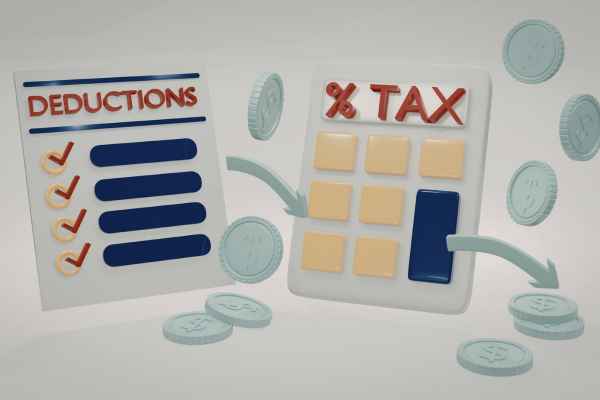
Top Tax Deductions Every Small Business in the USA Should Know (2026 Guide)
Top Tax Deductions Every Small Business in the USA Should Know (2026 Guide)
Running a small business in the United States comes with many financial responsibilities, and taxes are one of the most important. While paying taxes is necessary, paying more than required can reduce your business profitability and cash flow. Understanding the top tax deductions every small business in the USA should know is one of the best ways to legally reduce your tax liability.
Many small business owners miss valuable deductions simply because they are unaware of them or do not maintain accurate records throughout the year. By planning ahead and identifying deductible business expenses early, companies can improve financial stability and keep more money available for growth.
This guide explains the most important tax deductions and planning strategies for small businesses in 2026. With the right approach to tax planning and financial management, businesses can stay compliant with tax laws while maximizing available deductions.
Why Small Business Tax Planning Matters
Tax planning plays a critical role in the financial health of any small business. Proper tax planning allows business owners to reduce tax liabilities legally while ensuring compliance with federal and state tax regulations.
When businesses track deductible expenses and claim appropriate deductions, they reduce their taxable income. Lower taxable income leads to lower tax payments, which helps improve cash flow and financial stability.
Effective tax planning also helps companies prepare for upcoming tax obligations. Instead of scrambling during tax season, businesses that maintain organized financial records throughout the year are better positioned to file accurate returns and avoid costly penalties.
For many companies, proactive tax planning also helps identify opportunities for tax credits, deductions, and long term financial improvements.
Choose the Right Business Structure for Tax Efficiency
One of the first decisions that affects taxation is choosing the correct business structure. The structure of a business determines how income is taxed and which deductions may be available.
A sole proprietorship is the simplest business structure, where business income is reported directly on the owner’s personal tax return. While this structure is easy to manage, the owner is personally responsible for all business taxes and liabilities.
Partnerships operate similarly, with income and losses passing through to individual partners. Each partner reports their share of business income on their personal tax return.
Limited liability companies provide flexibility and legal protection for business owners. An LLC can choose to be taxed as a sole proprietorship, partnership, or corporation depending on what best supports the business.
Corporations follow a different tax structure and may face corporate taxes on profits. However, they may also benefit from certain tax planning opportunities depending on their financial structure.
Choosing the right structure can significantly affect tax obligations and available deductions.
Track Income and Expenses Throughout the Year
Accurate financial records are essential for claiming tax deductions. Businesses that track income and expenses consistently throughout the year are better prepared to identify deductible expenses.
Separating personal and business finances is one of the most important steps for maintaining clean records. Using a dedicated business bank account helps simplify expense tracking and ensures that business transactions are clearly documented.
Expense classification is also important. Categorizing costs such as rent, utilities, payroll, travel, and marketing helps ensure that deductions are properly applied when preparing tax returns.
Strong bookkeeping practices help businesses maintain financial clarity while ensuring compliance with tax regulations.
Maximise Tax Deductions Available to Small Businesses
Many everyday business expenses are fully deductible when calculating taxable income. Understanding these deductions can significantly reduce a company’s overall tax burden.
Common deductible expenses include office rent, utilities, internet services, and property insurance. Businesses can also deduct marketing costs such as advertising campaigns, digital marketing services, and promotional materials.
Professional service fees are also deductible. Payments made to accountants, legal advisors, financial consultants, or tax preparation specialists qualify as business expenses.
When businesses carefully track these costs throughout the year, they can take full advantage of available tax deductions and improve overall financial efficiency.
Home Office Deduction
Many small business owners operate from home, making the home office deduction an important tax benefit. To qualify for this deduction, a specific area of the home must be used regularly and exclusively for business activities.
Eligible expenses may include a portion of rent or mortgage payments, utilities, internet service, and maintenance costs related to the workspace.
The home office deduction can be calculated using either the simplified method or the actual expense method. Both approaches allow businesses to reduce taxable income by claiming legitimate home office costs.
Proper documentation is essential when claiming this deduction to ensure compliance with IRS guidelines.
Vehicle and Travel Expense Deductions
Business related travel can also generate valuable tax deductions. When travel is required for business operations, many associated expenses can be deducted.
Common deductible travel costs include flights, hotel stays, transportation services, and meals during business trips. If a vehicle is used for business purposes, mileage expenses may also be deductible.
Businesses may choose to calculate deductions using the standard mileage rate or by tracking actual vehicle expenses such as fuel, insurance, and maintenance.
Maintaining detailed travel logs and receipts is necessary to support these deductions.
Plan for Estimated Tax Payments
Many small business owners must make estimated tax payments throughout the year. These payments are typically made quarterly and help cover federal income taxes and self employment taxes.
Failing to make estimated payments on time can lead to penalties and interest charges. Proper tax planning helps businesses estimate their tax liability and schedule payments accordingly.
Working with financial professionals can help ensure that estimated payments are accurate and submitted on time.
Take Advantage of Small Business Tax Credits
In addition to deductions, businesses may qualify for tax credits that directly reduce the amount of tax owed.
Research and development credits are available for companies investing in innovation and product development. Hiring incentives may apply when businesses employ individuals from targeted groups.
Energy related credits may also be available for companies investing in energy efficient equipment or environmentally friendly operations.
Tax credits can provide significant savings when businesses identify and apply them correctly.
Use Depreciation to Reduce Tax Burden
Businesses often invest in equipment, machinery, computers, and other assets that provide long term value. Depreciation allows companies to deduct the cost of these assets over time.
Section 179 Deduction
Section 179 allows businesses to deduct the full purchase cost of qualifying equipment in the year it is purchased instead of spreading the deduction over several years. This deduction is particularly beneficial for companies investing in new technology or machinery.
Bonus Depreciation
Bonus depreciation allows businesses to deduct a large percentage of asset costs immediately after purchase. This approach can significantly reduce taxable income during the year the asset is acquired.
Long Term Asset Depreciation
Some assets must be depreciated over several years depending on their useful life. Accurate record keeping ensures that depreciation deductions are applied correctly across multiple tax years.
Payroll and Employee Benefits Tax Planning
Hiring employees introduces additional tax considerations but also creates opportunities for deductions. Wages, salaries, and bonuses paid to employees are fully deductible business expenses.
Payroll taxes paid by employers, including Social Security and Medicare contributions, can also be deducted. Employee benefits such as retirement contributions and health insurance plans may qualify for tax deductions as well.
Careful payroll tax planning helps businesses manage labor costs while remaining compliant with employment tax regulations.
Manage Sales Tax Compliance
Businesses selling products or services in multiple states may be required to manage sales tax obligations in different jurisdictions. Sales tax nexus rules determine when a business must collect and remit sales tax.
Understanding these requirements helps prevent compliance issues and unexpected tax liabilities. Businesses must also maintain accurate records of sales tax collected and ensure timely filing of tax returns.
Effective bookkeeping systems help track these obligations across different states.
Year End Tax Planning Strategies
Year end tax planning allows businesses to review financial performance and identify opportunities to reduce tax liability before the close of the tax year.
Accelerating certain expenses into the current year can increase deductions. Postponing income into the following year may also reduce taxable income for the current period.
Reviewing financial statements, asset purchases, and deductible expenses before the end of the year helps businesses make informed tax decisions.
Common Tax Planning Mistakes Small Businesses Make
Many small businesses lose valuable tax savings due to common mistakes. Poor record keeping is one of the most frequent problems, making it difficult to identify deductible expenses.
Another mistake is failing to track deductions throughout the year. Waiting until tax season to review expenses often results in missed opportunities.
Late tax planning can also create compliance issues and financial stress. Businesses that plan early and maintain organized financial records are far more successful at maximizing deductions.
How Outsourced Tax Preparation Services Help Small Businesses
Managing tax compliance while running a business can be overwhelming. Many companies choose outsourced tax preparation services to ensure accuracy and reduce administrative workload.
Professional tax advisors help identify deductions, prepare tax returns, and maintain compliance with federal and state regulations. Outsourcing tax preparation also reduces the risk of costly errors.
Numbers Nirvana supports small businesses by providing financial clarity, structured bookkeeping, and strategic tax guidance. With organized financial systems and expert insights, businesses can focus on growth while maintaining strong compliance with tax regulations.
Conclusion
Understanding the top tax deductions every small business in the USA should know is essential for improving financial efficiency and reducing tax liability. From office expenses and payroll costs to travel deductions and asset depreciation, many legitimate business expenses can reduce taxable income.
Businesses that maintain accurate records, plan ahead, and stay informed about tax rules are better positioned to maximize their deductions and avoid compliance risks. Strategic tax planning not only reduces tax payments but also strengthens long term financial stability.
With proper bookkeeping and expert guidance, small business owners can take full advantage of available tax deductions while building a stronger financial future.
FAQs
What are the most common tax deductions for small businesses in the USA?
Common tax deductions include office rent, payroll expenses, marketing costs, travel expenses, professional services, and equipment depreciation.
Can small businesses claim a home office deduction?
Yes. Businesses that use a dedicated area of their home exclusively for business activities may qualify for the home office deduction.
What records should businesses keep for tax deductions?
Businesses should maintain receipts, invoices, mileage logs, payroll records, and financial statements to support deductions.
How often should small businesses review their tax deductions?
It is recommended to review deductions throughout the year and conduct a detailed review before the end of the tax year.
Why is tax planning important for small businesses?
Tax planning helps reduce tax liabilities, improve financial stability, and ensure compliance with tax regulations.


© 2022 Company Name - All Rights Reserved, consectetur adipiscing elit. Maecenas commodo suscipit tortor, vel tristique sapien


